

SECRET PLACES OF JAPAN
Traveling without guides.
In the world of travel, there are different approaches: organized tours with professional guides, as well as self-guided groups that open up the opportunity for us to explore the world without intermediaries. It is this second path that the members of the Travelers' Club chose, bringing together Russian-speaking residents of Canada who love adventure, freedom of choice, and inspiring discoveries.
Our group spent two action-packed weeks in Japan, organizing everything ourselves — from the itinerary to the accommodation. This approach allows us not only to save significantly — it is much cheaper than using travel agencies — but also to choose exactly what we want to see. We strive for authentic experiences, and this time we truly managed to feel Japan from the inside, without limiting ourselves to tourist stereotypes.
The journey began in Tokyo — an ultramodern capital where the neon lights of skyscrapers sit alongside ancient temples. We visited the Asakusa district, home to one of Japan's oldest Buddhist temples, Senso-ji, and walked along the streets of traditional trade. A sharp contrast was our walk through the Shibuya district — the famous pedestrian crossing where hundreds of people cross the street during a single light change, as if in a giant dance. In the evening, we headed to the Shinjuku neighborhood — the heart of Tokyo's nightlife, where futurism, food, and eccentricity blend into a unique cocktail.
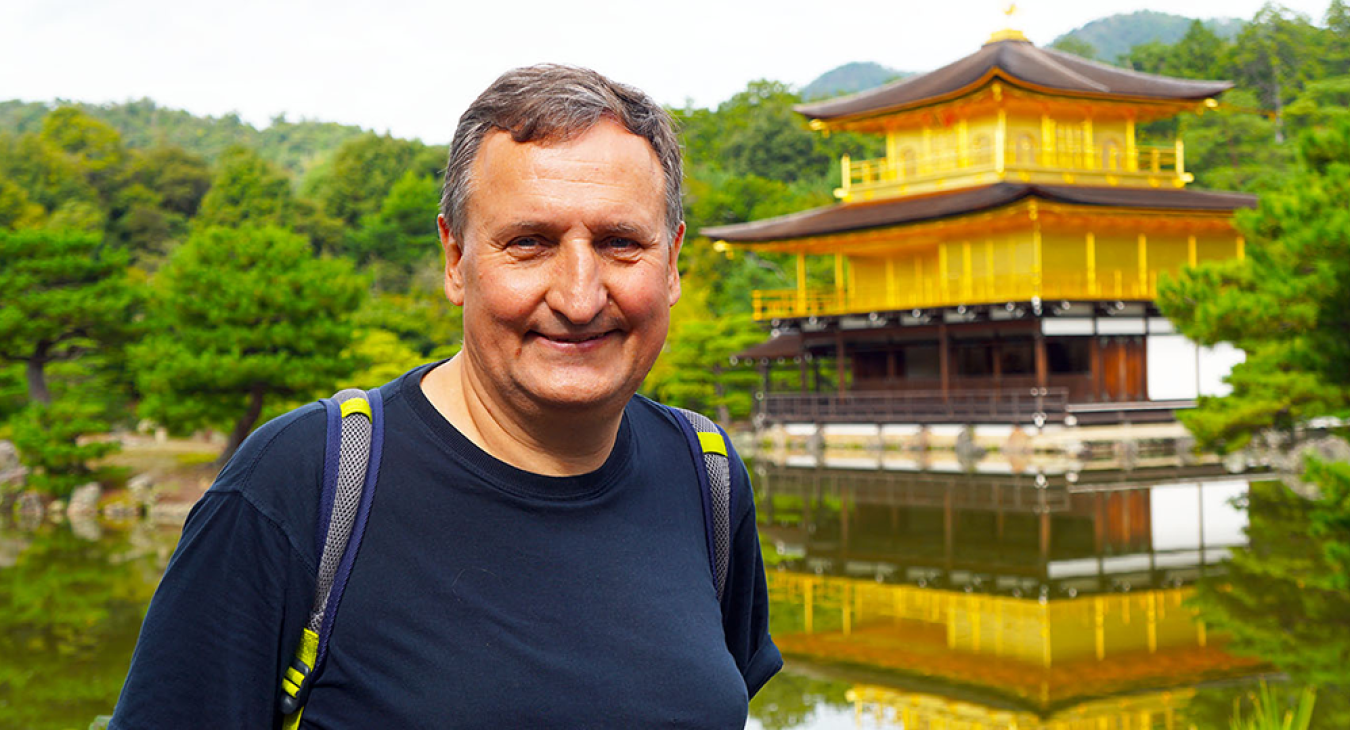
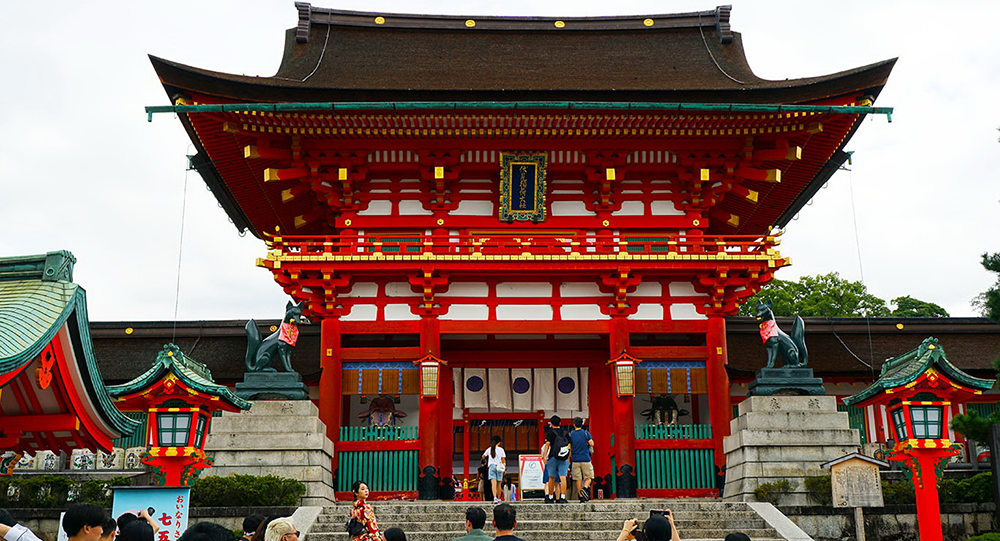
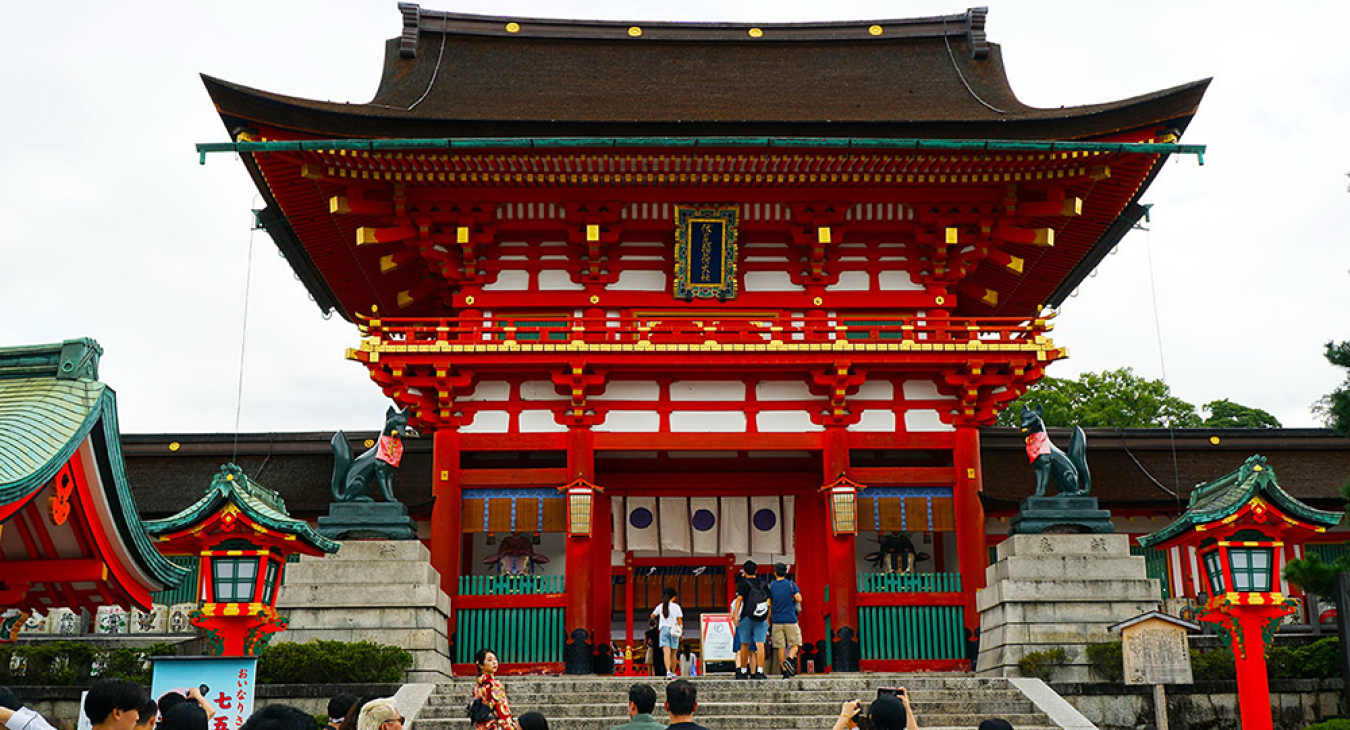
The next destination was Kyoto — the cultural capital of the country. The city impressed us with its temples, quiet gardens, and atmosphere of antiquity. We visited the Golden Pavilion (Kinkaku-ji), the Fushimi Inari shrine with its thousands of red gates, and strolled through the Gion district, where in the evening we were lucky enough to see a theater of traditional arts, including geisha dances and a theatrical samurai performance. In one of the traditional districts, we took part in a tea ceremony — a ritual that conceals the entire philosophy of Japanese restraint and respect.
Climbing Mount Fuji was a huge challenge and a source of pride. We ascended in difficult weather conditions — strong winds, rain, and even snow accompanied us all day. Despite this, every step was worth it to stand at the summit and see Japan from a height of 3,776 meters. It was a moment of true unity with nature and with oneself.
In Takayama, one of Japan's oldest festivals awaited us — the Float Festival. The yatai floats, decorated with lanterns and mechanical karakuri dolls, moved majestically through the narrow streets of the old town. The evening procession by the light of hundreds of lanterns was truly magical — it felt as though we had been transported back to the Edo period.
Nagoya was a revelation to us. Although this city is often bypassed by tourists, it amazed us with its architecture and culture. The Nagoya Castle was particularly memorable — an impressive structure from the era of the shoguns with beautiful gardens and an exhibition on samurai life. The Toyota Museum made a great impression, turning out to be not just an automobile exhibition, but a genuine narrative about the industrial and social history of Japan.
This journey was a true revelation. We didn't just see Japan — we felt it. Join our group to follow our next routes and, perhaps, set off on a new journey with us!
Yuri Natchetoi